
The Cost of Believing the Wrong Story
The Hanging GirlThis thread traces how confident interpretations of motive and identity create successive errors, with the novel’s final revelations separating explanation from proof.
increasing Bearing strength in each event
 decreasing
Bearing strength in each eventdecreasingThe Case Called an Accident
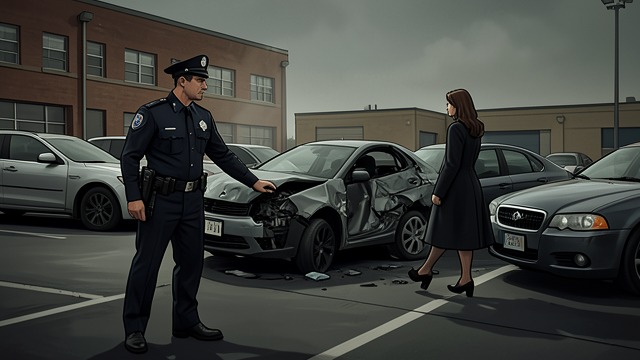
An Early Classification
Institutional Judgment
The initial inquiry treats Alberte’s death as a hit-and-run rather than murder, shaping what evidence is sought.
Long Consequence
The original label limits later scrutiny and allows a crime to remain hidden inside an incomplete official account.
Habersaat’s Frank Theory
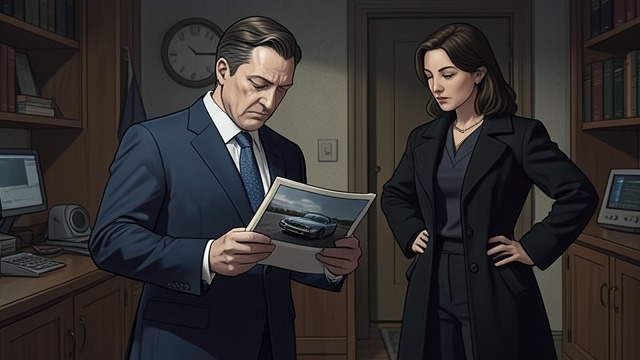
A Suspect Takes Shape
Accumulated Clues
The photograph, relationships, and Frank’s departure support Habersaat’s suspicion of the Kombi driver.
A Blind Spot
His theory directs attention away from his own household, even though he eventually discovers evidence connecting Bjarke to the case.
Department Q’s Confirmation Bias
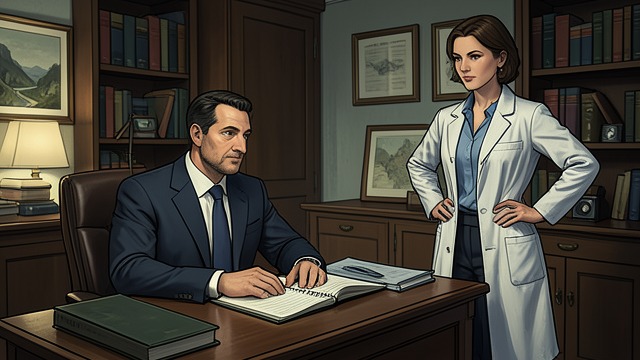
A Plausible Narrative
New Evidence Fits Old Ideas
Department Q interprets the spiritual profile and romantic history as support for Frank’s guilt.
Contradictory Details
The plywood theory falters, but the team continues investing in the broader suspect narrative instead of reconsidering its foundation.
Pirjo’s False Certainty
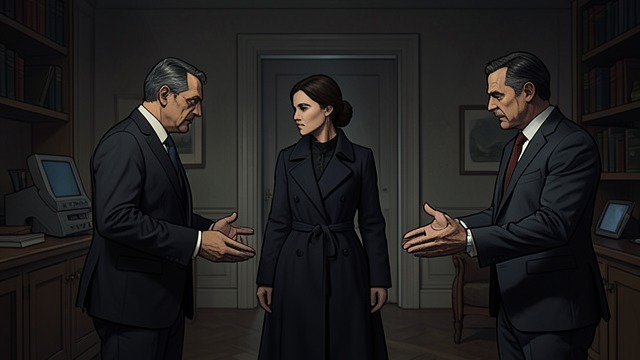
Jealousy as Knowledge
A Belief Becomes Fact
Pirjo treats her suspicion that Atu killed Alberte as certain, then bases years of concealment and violence on that conclusion.
The Contradiction Arrives
Atu’s shock and account of the breakup challenge her belief, but she is already dying and cannot repair what she has done.
Confession and Evidence Combined
Truth Is Reconstructed
June’s Admission
June confesses to the crime and explains the forged note, the Toyota, and the snowplough.
Remaining Uncertainty
Her account aligns with the physical evidence, while the hidden note from Frank reveals how easily the investigators’ earlier narrative could have ended differently.
1997
1997–2014
May 1–16, 2014
May 16, 2014
May 17, 2014
